

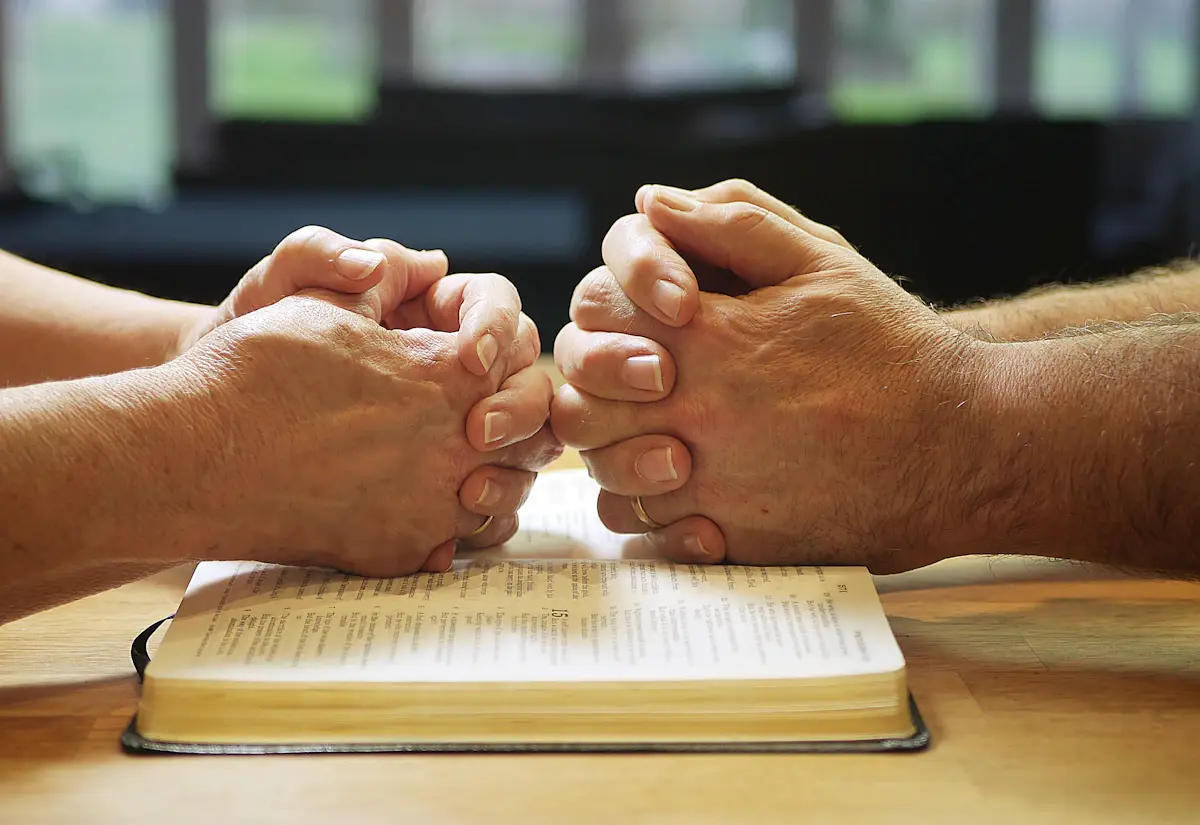
Someone in your church is struggling, and you want to help well. Do they need pastoral care or pastoral counseling? Is there really a difference, and does it change the training you should take? If you serve on a care team, lead a small group or sense a call to walk with hurting people, these are the right questions to ask before you choose a course.
In short: Pastoral care is the ongoing, everyday care a church gives its people: presence, prayer, visits and encouragement. Pastoral counseling is focused help with one specific problem over a set number of conversations. Most church volunteers start with pastoral care, which the Pastoral Care course teaches, including biblical counseling foundations.
In this article
What is the difference between pastoral care and pastoral counseling?
The difference is focus and structure. Pastoral care is the broad, ongoing ministry of caring for people in the name of Christ through every season of life. Pastoral counseling is a narrower, more structured form of that care: a few planned conversations that help one person or couple work through one specific problem.
Think of pastoral care as the whole garden and pastoral counseling as one bed that needs extra attention for a season. Both belong to the same ministry. Both rely on Scripture, prayer and good listening. They simply ask different things of the person who serves.
| Pastoral care | Pastoral counseling | |
|---|---|---|
| Goal | Presence, comfort and spiritual support | Understanding and moving through one specific problem |
| Length | Ongoing, with no end date | A few planned conversations |
| Setting | Homes, hospitals, care homes, the church foyer, the phone | A quiet, private space |
| Who provides it | Pastors, elders and trained lay volunteers | Usually a pastor or a trained Christian counselor |
| Training | Listening, prayer and visitation skills | Structured counseling skills and clear boundaries |
What does pastoral care look like in a church?
Pastoral care looks like ordinary faithfulness. It is the meal brought after a surgery, the hospital visit, the phone call on the anniversary of a death and the prayer offered at the door after the service. Most of it is quiet, and most of it is done by people who would never call themselves counselors.
- Visitation: visiting the sick, the housebound and people in care homes.
- Grief support: walking with families before and after a funeral.
- Life transitions: welcoming new parents, newcomers and people who have lost a job.
- Prayer: praying with people in person, by phone or in a prayer ministry.
- Practical help: meals, rides and errands that say “you are not alone.”
For a fuller picture of this ministry, read What Is Pastoral Care? and our guide to starting a grief support group at church.
Bear one another’s burdens, and so fulfill the law of Christ.
Galatians 6:2 (NKJV)
What does pastoral counseling involve?
Pastoral counseling involves a few intentional conversations with a clear purpose. A couple caught in the same argument, a man whose grief has not lifted after many months or a young woman facing a hard decision may need more than a kind visit. They need someone to listen carefully, ask good questions, open the Scriptures with them and help them take a next step.
- Listens first: helps the person name what is really going on.
- Brings Scripture and prayer: connects the problem to God’s Word with care, not as a quick fix.
- Agrees on a plan: sets a small number of conversations and a goal.
- Keeps boundaries: protects confidentiality and knows the limits of the role.
- Refers when needed: connects the person with a doctor or licensed professional when the need goes beyond ministry.
Counsel in the heart of man is like deep water, but a man of understanding will draw it out.
Proverbs 20:5 (NKJV)
Do you need a license for pastoral counseling?
Usually not for ministry inside your church, but yes for clinical therapy. In the United States, pastors and church volunteers commonly offer spiritual counseling as part of their ministry without a state license. Offering paid psychotherapy, diagnosing mental health conditions or calling yourself a licensed counselor is different: that requires a graduate degree, supervised clinical hours and a state license. The rules vary by state and country, so check what applies where you serve.
Many people search for a “pastoral counseling certification.” What Presence College offers is a certificate course, not a professional certification or license: it prepares you for ministry, not for clinical practice. For the details, read Christian Counseling Without a License: What You Can Do.
Which training do you need: pastoral care or pastoral counseling?
Start with what you will actually do in your church. Most people who search for pastoral counseling training will spend most of their time giving pastoral care. Use this simple guide:
- Start with Pastoral Care if you serve on a care or visitation team, lead a small group, support grieving families or want to help your pastor care for the congregation. The Pastoral Care course covers everyday care and includes biblical counseling foundations.
- Add Christian Counselor if you expect to lead structured one-to-one conversations about marriage, family, crisis or trauma. The Christian Counselor course goes deeper into counseling skills, ethics and case studies.
- Look at a degree and license if you want to work as a professional therapist or a hospital chaplain. Our guide to the Christian counseling certificate vs degree explains that path.
If you also sense a broader call to lead and teach in your church, see what solid online pastor training should cover.
From the course: the Pastoral Care course moves from Foundations of Pastoral Care and The Heart of Caring Ministry to Biblical Counseling Foundations and Specialized Areas of Pastoral Care, so you learn everyday care and how to recognize when a conversation needs more.
When should pastoral care become a referral?
Refer when the need goes beyond what you are trained to give, and keep caring while you do. A referral is not abandoning someone. It is loving them enough to bring in the right help. Refer to a doctor, a licensed counselor or emergency services when you see:
- Risk of harm: any talk of harming themselves or someone else (call emergency services if the danger is immediate).
- Abuse: any sign of abuse or violence at home.
- Lasting symptoms: depression, anxiety or trauma symptoms that do not ease or that disrupt daily life.
- Addiction: dependence on alcohol, drugs, gambling or other compulsive behavior.
- Medical questions: anything about medication, diagnosis or physical health.
What do you learn in the Pastoral Care course?
The Pastoral Care course from Presence College is about 40 hours of study across 10 modules, 100% online and self-paced, with PDF and audio lessons and lifetime access. You learn the heart of pastoral care, listening and compassionate presence, care for every season of life, prayer and visitation, how to answer hard questions and how to lead a care ministry. Optional quizzes prepare you for a final exam, and when you pass you download your certificate, endorsed by Shakeid Ministries Global.
It is for church volunteers, care and visitation team members, small-group leaders, elders and anyone who feels called to care for people in Christ’s name. No previous experience is needed.
A Presence College certificate records that you completed a course and passed its final exam. It is a ministry certificate, not a degree or a professional license, and it does not qualify you to practice as a licensed counselor or therapist.
Frequently asked questions
Is pastoral care the same as counseling?
Not quite. Pastoral care is broad, ongoing care through presence, prayer, visitation and encouragement. Pastoral counseling is a more structured part of that care, focused on one specific problem over a few conversations.
Can a pastor counsel without a license?
In most places, pastors and church volunteers can offer spiritual counseling as part of their ministry without a state license. Paid psychotherapy, diagnosis and the title “licensed counselor” require a graduate degree and a state license. Check the rules where you serve.
Which online modules cover pastoral care foundations, crisis care and visitation?
In the Pastoral Care course from Presence College, Foundations of Pastoral Care and The Heart of Caring Ministry cover the basics, Specialized Areas of Pastoral Care covers situations like grief and crisis, and the course teaches prayer and visitation throughout. Leadership and Responsibility in Care Ministry helps you serve within healthy limits.
What is a good self-paced pastoral care course for busy volunteers?
Look for a course with a clear module list, short lessons you can fit around work and family, lifetime access and honest wording about what the certificate is. The Pastoral Care course is about 40 hours, fully online, with PDF and audio lessons and no deadlines.
Do I need pastoral counseling training to serve on a care team?
No. Most care teams need people who listen well, pray faithfully and know when to refer. Pastoral care training covers those skills; structured counseling training is useful later if you lead one-to-one counseling conversations.
Presence College holds private institutional accreditation from the Kingdom International Standards Authority (KISA) and its courses are ministry-endorsed by Shakeid Ministries Global. Read what KISA accreditation means for you as a student.
Recommended course
Ready to care for people with confidence?
Learn pastoral care at your own pace, 100% online, with a certificate endorsed by Shakeid Ministries Global.
- 40 hours, self-paced
- PDF and audio lessons
- Printable certificate
Regular price:
$395
Current price:
$67
15-day money-back guarantee